Resource Economy

Improving the Living Environment of Traditional Peri-urban Villages in the Context of Rural Revitalization: A Case Study of Siqing Village in Baqiao District, Xi’an, China

  • ZHANG Yajuan , 1 ,
  • YANG Yanlong 2 ,
  • YANG Hang 3 ,
  • HE Chang 4
Expand
  • 1. School of Architecture and Civil Engineering, Xi’an University of Science and Technology, Xi’an 710054, China
  • 2. Xi'an Jianda Institute of Urban Planning & Design Co., LTD, Xi’an 710055, China
  • 3. College of Architecture, Xi’an University of Architecture and Technology, Xi’an 710055, China
  • 4. College of Design, Construction and Planning, University of Florida, Gainesville 32611, USA

ZHANG Yajuan, E-mail:

Received date: 2025-04-13

  Accepted date: 2025-12-15

  Online published: 2026-02-02

Abstract

In the context of China’s rural revitalization strategy, improving the living environment of traditional peri-urban villages is essential for enhancing the quality of life and achieving sustainable development. This study takes Siqing Village in Baqiao District, Xi’an, as a case and develops an integrated renewal approach grounded in multi-source empirical data. Field surveys, quantitative measurements of roads and buildings, spatial mapping of green and public spaces, and household interviews and questionnaires were conducted. The core datasets cover: (1) Road traffic conditions, including pavement quality, traffic flow, and parking supply-demand imbalance; (2) Architectural style, including building types, façade materials, structural conditions, and visual clutter; (3) Green landscape and public space, including vegetation density, landscape quality, and spatial connectivity; and (4) Infrastructure and resident demands, including drainage performance, waste management, lighting facilities, and prioritized functional needs. Methodologically, the study adopts a multi-dimensional framework combining spatial classification, building typology analysis, key landscape feature evaluation, demand-oriented facility allocation, and a participatory governance mechanism of “resident engagement-feedback-plan optimization-co-construction and sharing”. On this basis, targeted strategies are proposed for road traffic optimization, rural style enhancement, green landscape reconstruction, and infrastructure upgrading, while systematically integrating Guanzhong regional cultural elements through symbolic extraction and form translation. The results show comprehensive improvements: all unpaved roads were hardened and road capacity increased by over 30%; landmark spaces and green corridors enhanced ecological quality and spatial identity; unified façades eliminated visual disorder and strengthened regional character; and upgrades such as 120 solar streetlights, waste-sorting stations, and underground cable installation significantly improved safety and environmental cleanliness. Resident engagement reached 85%, indicating stronger community cohesion and governance capacity. The study demonstrates that data-driven, culturally informed, and participatory renewal provides a replicable model for revitalizing traditional peri-urban villages.

Cite this article

ZHANG Yajuan , YANG Yanlong , YANG Hang , HE Chang . Improving the Living Environment of Traditional Peri-urban Villages in the Context of Rural Revitalization: A Case Study of Siqing Village in Baqiao District, Xi’an, China[J]. Journal of Resources and Ecology, 2026 , 17(1) : 246 -256 . DOI: 10.5814/j.issn.1674-764x.2026.01.019

1 Introduction

With the accelerated advancement of the rural revitalization strategy, traditional villages in peri-urban rural areas are facing unprecedented opportunities and challenges for development. On the one hand, these villages carry rich historical and cultural heritage and unique natural landscapes. They are not only an important part of rural culture but also serve as key landscape features of urban-rural interaction feature, occupying a special position in the integrated development of urban and rural areas. On the other hand, due to historical reasons and natural constraints, these villages generally face deficiencies in their living environments, such as underdeveloped infrastructure, ecological degradation, cultural discontinuity, and weak social governance, all of which affect their capacity for sustainable development (Wu, 2001).
From the perspective of Lefebvre’s Theory of the Production of Space, rural space is not a static existence but is constantly shaped and reproduced through economic, social, and cultural interactions (Lefebvre, 1974). Traditional villages in peri-urban rural areas are located at the intersection where capital flows and urban-rural integration are accelerating. Their traditional spatial forms are being reshaped— they face the pressure of modernization while also carrying the imperative to preserve rural culture. Therefore, under the framework of the rural revitalization strategy, the improvement of the living environment in traditional peri-urban villages must take into account the multiple dimensions of physical space, social space, and cultural space.
Firstly, at the level of physical space, improving infrastructure and optimizing the residential environment are fundamental demands of rural revitalization. Many peri- urban villages have long existed on the urban-rural periphery and lack systematic development planning, resulting in lagging infrastructure and insufficient public services. By improving transportation networks, optimizing water and electricity supply, and advancing sewage treatment, the quality of life for villagers can be significantly enhanced, and the rational allocation of urban and rural resources can be promoted.
Secondly, at the level of social space, changes in rural social structures directly impact the effectiveness of village governance. With the acceleration of urbanization, peri- urban villages are experiencing intensified population mobility, outmigration of local residents, and an increase in migrant workers. These changes have disrupted traditional rural organizational models, and social relationships are becoming increasingly fragmented. According to British sociologist Anthony Giddens’ theory of structuration (Giddens, 1986), the stability of local societies depends on the interaction between social agents and institutional structures. Therefore, village improvement efforts should not only address physical infrastructure but also enhance community participation, local elite governance, and villagers’ self-governance to strengthen villagers’ agency and improve rural social cohesion and governance capacity.
Finally, at the level of cultural space, the transmission and regeneration of rural culture is one of the key goals in improving the living environment. French sociologist Pierre Bourdieu’s concept of “cultural capital” suggests that culture is not only a form of accumulation alongside economic and social capital, but also plays an important role in shaping social identity and place-based belonging. The historical heritage, folk customs, and architectural features of traditional villages are all key components of rural cultural capital and hold unique value in rural revitalization (Guo et al., 2018). Therefore, in the process of environmental improvement, attention should be paid to cultural preservation and the revitalized use of cultural resources—such as restoring traditional architecture, promoting the inheritance of intangible cultural heritage, and developing rural cultural tourism—so that traditional culture can be sustained and adaptively transformed within the modernization process.
In summary, enhancing the living environment of traditional peri-urban villages not only elevates residents’ quality of life and overall well-being, but also supports the continuity and revitalization of rural culture while advancing long- term sustainable development. Achieving these aims requires integrating modern infrastructure to improve the physical setting, strengthening community vitality through more effective governance, and prioritizing the protection and adaptive renewal of cultural resources, thereby contributing to the broader objectives of rural revitalization. From a theoretical perspective, such improvements reflect the dynamic interplay between spatial form, social practice, and cultural meaning, demonstrating how the renewal of human settlements can foster deeper modes of dwelling and collective identity.

2 Current living environment in Siqing Village

Siqing Village is located at the intersection of five universities—Xi’an Siyuan University, Xi’an Haitang College, Xi’an Railway Technician College, Xingzhi College of Xi’an University of Finance and Economics, and Xi’an Transportation School. In the current assessment of environmental planning in Siqing Village, it faces a series of complex and pressing issues that demand urgent solutions. As a typical urban-rural fringe village situated in the peri-urban area of Xi’an and at the convergence of multiple higher education institutions, the environmental and planning problems it encounters are highly representative, making it a worthy subject of study. First, the geographical location of Siqing Village is unique, adjacent to a densely concentrated area of higher education resources, and it bears the dual pressure of urban expansion and rural renewal. This characteristic of being in a “marginal zone” results in a hybrid urban-rural development pattern, giving it strong significance as a case study. Second, from road traffic to village appearance, the problems faced by Siqing Village include both common rural issues such as weak infrastructure and lagging management, as well as new challenges arising from rapid urbanization, including chaotic spatial layouts and fragmented visual identities. This overlapping condition of multiple contradictions provides a real sample for the study of governance models, planning strategies, and cultural preservation during periods of rural transition. In addition, the commercial vitality of Siqing Village and the potential impetus for renewal brought about by the concentration of universities also offer experimental ground for rural revitalization. Therefore, Siqing Village not only reflects the typical predicaments of villages located on urban-rural boundaries but also contains the potential for transformation and renewal, making it a highly valuable case for the study of rural planning, landscape reconstruction, and social integration. These problems span multiple aspects, including road traffic, village appearance, green landscapes, and basic infrastructure (see Table 1).
Table 1 Summary of the current living environment in Siqing Village
Factor Specific problems
Road traffic Some roads have not been hardened, and some surfaces are damaged; Chaotic parking affects traffic and landscape quality
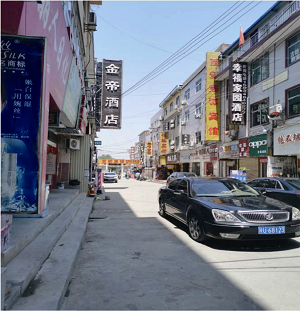
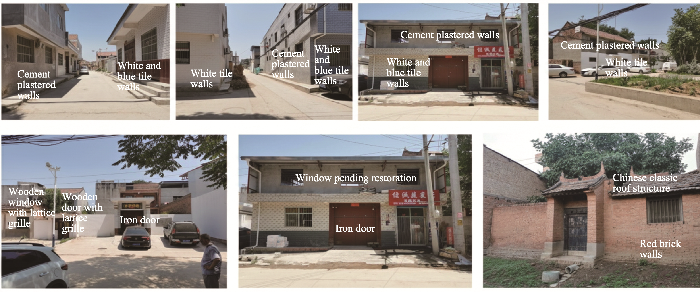
Village appearance Certain streets in Pan Village have a bustling commercial atmosphere, but building forms, colors, and external decorations such as number of stories, doors and windows, shop signs, awnings, and external AC units are chaotic and disorganized; Other buildings exhibit overall architectural disorder, with facades made of diverse materials such as ceramic tile finishes, cement mortar, and white plaster; flat roofs are predominant, with some pitched roof buildings as well
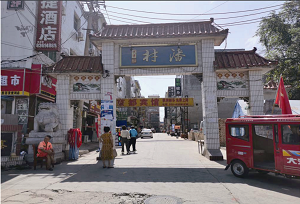
Green landscape Poor roadside greenery; Lack of plazas, public courtyards, and other leisure spaces; The Gateway landscape lacks visual appeal and distinctiveness; The current fitness square has poor environmental quality and is in a semi-abandoned state
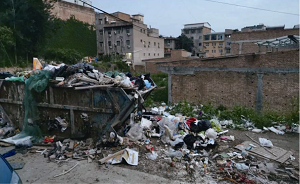
Infrastructure Severe random dumping at some garbage collection points, strong odors, urgent need for rectification, and a lack of trash bins; Disorganized wiring of electric cables, and lack of streetlights along certain roads; Poor drainage in some sections

2.1 Road traffic

In terms of road traffic planning, some roads have not yet undergone surface hardening, leading to serious pavement damage. This not only affects residents’ daily travel but also hampers the smooth flow of rural transportation. In addition, the problem of parking management is equally prominent; vehicles are parked in a disorderly manner, which disrupts the traffic circulation of the village and undermines the overall visual quality of the rural landscape.

2.2 Village appearance

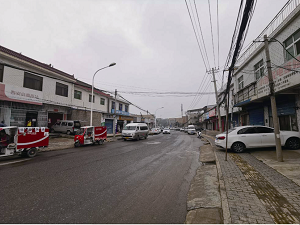
The planning and management of village appearance also reveal a certain degree of disorder, specifically in aspects such as architectural style, spatial layout, and environmental governance. Although some streets exhibit a strong commercial atmosphere, the forms, colors, and external decorations of buildings appear chaotic and uncoordinated, lacking a unified design concept or planning guidance (Figure 1). In certain areas, original traditional buildings have not been effectively preserved, while newly constructed buildings fail to harmonize with the surrounding environment, resulting in conflicts between historical character and modern development. This disordered development model not only affects the visual aesthetics of the streets but also causes the overall spatial character of the village to become fragmented, posing obstacles to coordinated development between different rural areas. Such streetscape disorder and fragmented visual identity are consistent with observations from other cases of traditional village transformation, where landscape change often accompanies rapid development and piecemeal construction practices (Guo et al., 2018). Residents generally exhibit strong place attachment, suggesting that renewal strategies for Siqing Village should prioritize safeguarding the village’s existing landscape character and aesthetic values, and frame any interventions as careful continuities rather than disruptive transformations (Paraskevopoulou et al., 2019).
Figure 1 Current appearance of Siqing Village (Photographed in July 2020)

2.3 Green landscape

The current condition of roadside greenery is suboptimal, characterized by insufficient vegetation coverage and a lack of accessible leisure spaces. These limitations not only undermine the ecological quality of the rural environment but also diminish residents’ overall quality of life. Similarly, the design and planning of gateway landscapes remain relatively weak, lacking distinct features capable of expressing the village’s cultural identity or enhancing its visual appeal. The landscape environment of the existing fitness square also requires urgent improvement; its semi-abandoned condition falls far short of meeting the community’s increasing needs for recreation and physical activity (Li et al., 2022c).
In many areas, roadside greenbelts appear monotonous, composed primarily of sporadically planted trees and low shrubs that neither function as effective ecological buffers nor offer satisfactory aesthetic experiences. At the broader scale, the rural public space system suffers from insufficient connectivity. Open spaces such as green areas, small parks, and plazas are poorly integrated, resulting in fragmented spatial experiences and reduced convenience in villagers’ daily activities. The low efficiency of public space utilization has further contributed to sparse foot traffic in certain zones, diminishing the sense of vibrancy and social engagement. These challenges indicate an urgent need for systematic planning and holistic upgrading of rural greening, gateway landscapes, fitness squares, and other public spaces. This aligns with prior work emphasizing that landscape character and key features should be identified and evaluated before formulating renewal and development plans (Čurović et al., 2019). Leveraging ecological resources, local cultural elements, and contemporary landscape design principles will be essential for shaping a more livable, ecologically resilient, and regionally distinctive rural environment.

2.4 Infrastructure

Some garbage collection points suffer from inadequate management, resulting in significant problems of littering and informal dumping. These conditions not only compromise the village’s overall sanitation but also create inconvenience in residents’ daily routines. Moreover, the disorderly arrangement of electrical wiring and the absence of sufficient street lighting in certain roadside areas introduce safety hazards, particularly for nighttime mobility. In addition, several segments of the village exhibit insufficient drainage capacity, raising the risk of localized flooding and related disasters, which pose a substantial threat to the safety of residents and their property (Li et al., 2022a).

3 Living environment improvement strategies in the context of rural revitalization

Under the current rural revitalization strategy, the improvement of human settlement environments serves as a key component in promoting comprehensive rural renewal and holds significant importance in enhancing rural residents’ quality of life and promoting sustainable rural development. This study aims to integrate rural renewal strategies with environmental improvement approaches to explore how comprehensive planning and implementation can achieve holistic rural renewal.

3.1 Rural renewal strategies

Rural renewal strategies constitute a multidimensional and integrated framework aimed at promoting the comprehensive transformation and sustainable development of rural areas (Lin, 2019). In response to the complex challenges faced by rural settlements, this study establishes four complementary renewal strategies and provides a focused analysis of their respective objectives and spatial implications. Rather than addressing isolated issues, this framework operates through a set of coordinated approaches that collectively respond to environmental, cultural, ecological, and living-quality dimensions of rural renewal.
Within this framework, the “Beautiful Countryside” strategy primarily targets the improvement of the rural physical environment. It focuses on enhancing village appearance through environmental remediation measures such as garbage removal, wastewater treatment, and landscape cleanup, thereby creating a cleaner, more orderly, and ecologically harmonious rural setting. The “Characteristic Countryside” strategy addresses the cultural dimension of rural renewal by emphasizing the integration of local cultural symbols into architectural design and landscape transformation. Through this approach, villages are shaped with distinctive identities and regional character, positioning them as important carriers for cultural continuity and expression.
The “Ecological Countryside” strategy emphasizes the relationship between villages and their surrounding natural systems. By integrating farmland, orchards, green spaces, and ecological corridors, and by introducing small gardens and micro-landscapes within village areas, this strategy seeks to construct an ecologically immersive and resilient living environment that aligns human settlement with natural processes. Finally, the “Livable Countryside” strategy focuses on improving everyday living conditions and social spaces. It emphasizes the preservation of traditional rural housing characteristics while incorporating central plazas, cultural activity spaces, and other public facilities. By integrating modern architectural techniques and contemporary design concepts, this strategy aims to create sustainable and livable rural environments that balance traditional character with modern functionality, thereby supporting long-term rural development (Li et al., 2022b).

3.2 Human living environment improvement strategies

Based on the core components of the above rural renewal strategies, this study further derives and refines concrete implementation pathways for human settlement improvement, aiming to comprehensively upgrade the quality of rural living environments through integrated and coordinated measures. Accordingly, human living environment improvement is structured around the following key components:

3.2.1 Road traffic

Guided by rural renewal strategies, road traffic improvement constitutes a primary task in environmental enhancement. The planning emphasizes improving village transportation systems, which includes not only the hardening of roads to ensure flat and smooth travel, but also the greening of roads by planting street trees and establishing green belts to improve visual quality and enhance ecological performance. Additionally, the rational provision of parking spaces and the regulation of vehicle parking behavior are also crucial components in addressing rural parking difficulties.

3.2.2 Village appearance

Village appearance is a direct manifestation of rural culture and a vital part of rural renewal. In environmental improvement efforts, village buildings are categorized, and differentiated renewal plans are developed for each type. Unified façade design and renewal of front, side, and rear walls are implemented to improve the overall aesthetics and spatial coherence of buildings. Building materials, styles, and colors are carefully controlled to ensure compatibility with rural characteristics. Components such as doors, windows, and air-conditioning units are regulated to maintain architectural cleanliness and order. For future residential construction, building heights are limited to 15 meters to prevent disruption of the rural landscape and to preserve residential comfort.
(1) Renewal type I: Tiled residential façades. Tiled residential buildings are the predominant building type in Siqing Village, accounting for approximately 50%-60%. Tiles are primarily white, yellow, or light red. In the short term, façade renewal for these buildings should focus on replacing doors and windows, remodeling roofs, and adding restrained decorative details, drawing from the style and detailing of existing old houses and traditional Guanzhong dwellings. In the long term, color unification is recommended, with a preference for white tones. Renewal measures are integrated with the surrounding environment, such as incorporating green micro-landscapes or front porches to buffer the relationship between buildings and roads while enhancing comfort in daily use. Through a gradual point-to-surface approach, a gradual promotion approach, transformation from individual building renewal to overall streetscape enhancement can be achieved, laying a foundation for the orderly reconstruction of Siqing Village’s rural appearance.
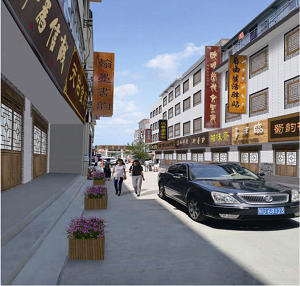
(2) Renewal type II: Tiled commercial façades. Commercial buildings are mainly tiled and exhibit chaotic coloring. Most are 4 to 6 stories high, with disorganized external elements such as doors and windows, shop signs, awnings, and exposed air-conditioning units. In the short term, façade improvements prioritize the regulation and replacement of these components, drawing from traditional local architectural styles while allowing for the selective integration of modern elements. In the immediate phase, visual disorder should be addressed by replacing damaged or awkward elements with standardized, coordinated components. Shop signs should be regulated in size, material, and placement to avoid obscuring façade details, with a preference for wood or faux-wood materials incorporating Guanzhong patterns or font styles to enhance cultural expression. Awnings should balance function and aesthetics, using transparent or semi-transparent materials combined with wooden structures to create a unified front porch image. Air-conditioning units should be concealed with uniform covers or concentrated in less visible areas to reduce visual clutter. In the long-term phase, phased unification of colors and materials is advised to replace chaotic tile facades with white or light grey tones, creating a calm and elegant visual impression. Guanzhong-style elements (e.g., brick bases, decorative string courses, wooden lattice windows) may be selectively added to enrich the integration of modern commerce and traditional character. The entire renewal process is coordinated at the block scale, and homeowner participation encouraged to ensure sustainability and consensus, ultimately transforming the commercial façades from “chaotic patchwork” to “coherent integration,” and enhancing Siqing Village’s regional identity and spatial quality.
(3) Renewal type III: Plastered or cement façades. Existing plastered or cement buildings are mainly in white or grey tones. Renewal strategies prioritize uniform waterproof white plaster finishes, door and window replacements, and the introduction of restrained decorative elements. While maintaining structural stability, waterproofing improvements should be made using fine-textured, weather-resistant white plaster to enhance visual cleanliness and uniformity. Door and window replacements should use wood-grain aluminum alloy or faux-wood materials with simple lines and regional features, in deep grey or natural wood tones to enrich detail and avoid harsh contrasts. Additionally, cornices, window surrounds, and decorative moldings may be added using simplified Guanzhong elements such as brick carvings or faux wood, enhancing cultural legibility. Where structurally feasible, small features like eaves, grilles, or window hoods may be added to create visually enriched façades and improve the rhythm and layering of street spaces. Collectively, these interventions balance technical upgrading with perceptual refinement, allowing standardized construction materials to participate in a recognizable regional language while gradually restoring spatial depth and streetscape coherence.
(4) Renewal type IV: One-story buildings. One-story buildings often feature plain white plaster or tiled facades with minimal decoration and lack distinctive regional character. Renewal measures should follow the principles of “enhancing façade quality, introducing regional elements, and coordinating with surrounding environments”. This includes replacing or overlaying existing materials with traditional finishes such as imitation grey brick, rammed-earth textures, or wood paneling for a softer and more natural appearance. Decorative elements may include brick-carved window frames, wooden lattice doors and windows, overhanging eaves with grey tiles, and drip-edged cornices, enhancing cultural recognition without rigid imitation of tradition. A unified design for doorways, eaves, and windows can form a continuous streetscape interface, improving overall appearance. Through this approach, façade renovation shifts from superficial beautification toward a contextual strategy that mediates between everyday rural life and regional architectural identity, reinforcing visual continuity while allowing for contemporary adaptation.

3.2.3 Green landscape

Green landscaping is a key factor in enhancing rural living environments. In improvement projects, emphasis is placed on designing key landscape features at village entrances, using unique signage and greenery to boost identity and attractiveness. Planters, tree wells, and small landscape features are added to improve the overall street environment quality. Rural and cultural themes are incorporated to develop distinctive village zones and recognizable landmarks, supporting tourism development and rural vitality. Native trees and seasonal combinations are prioritized, selecting low-maintenance species adapted to the local environment to ensure year-round visual interest. Linear greenbelts and pocket gardens are designed for main streets and landscape views, providing rest spaces and ecological benefits. Villagers are encouraged to participate in greening and micro-landscape creation, fostering ownership and community engagement. Landscape installations may include local historical or agricultural themes, integrating stone carvings, wood structures, and paper-cut motifs. Public activity areas, plazas, and street corners can feature art installations, cultural walls, or interactive features to enrich tourist experiences. Through systematic landscaping and cultural integration, Siqing Village’s environmental quality is enhanced and endowed with a perceptible, shareable visual identity, promoting a transition from environmental improvement to culturally driven, tourism-activated rural development. Analytically, this landscaping strategy operates not only as an ecological and aesthetic enhancement, but also as a spatial framework for social interaction and cultural narration. By combining native planting systems with small-scale, participatory landscape interventions, green spaces become mediators between everyday rural life, collective memory, and external visitors’ perception of place. Such an approach transforms greenery from a background embellishment into an active driver of village identity formation, community cohesion, and sustainable rural renewal.

3.2.4 Infrastructure

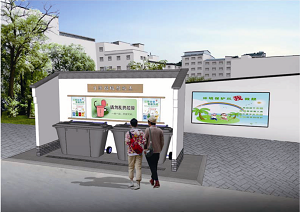
The improvement of infrastructure is a critical guarantee for human settlement enhancement. Based on the village's actual development needs and residents’ daily requirements, small plazas and public courtyards are introduced to meet leisure and recreational demands. Construction and upgrades to solar-powered streetlights, waste disposal systems, and underground utilities are emphasized to improve public service delivery and quality of life. In practical terms, measures include installing modular, easily maintainable streetlight systems, upgrading waste collection points with classified bins and concealed enclosures, and coordinating utility upgrades with road and landscape renovation to minimize repeated construction and disruption to daily life. At the same time, infrastructure renewal is approached not merely as a technical upgrade, but as a spatial and social support system that structures everyday rural life. The integration of lighting, drainage, waste collection, and utility networks with public spaces helps improve safety, accessibility, and environmental hygiene, while reducing long-term maintenance costs and operational burdens. Comprehensive infrastructure enhancement supports sustainable rural development and contributes to the long-term improvement of residents’ living conditions. By aligning infrastructural investment with patterns of daily use and communal activity, this strategy strengthens the resilience of rural settlements and ensures that physical improvements translate into tangible and lasting benefits for local residents.

4 A synthesis of strategies for rural human settlement environment improvement

Siqing Village is a typical plain village. In recent years, with the in-depth implementation of China’s rural renewal strategy, Siqing Village has ushered in unprecedented development opportunities. Through the application of human settlement improvement strategies, this paper aims to build a modern, livable, and business-friendly demonstration village in Siqing and its surrounding areas, guiding the development of neighboring rural regions and realizing comprehensive rural renewal (Wen and Dai, 2018).

4.1 Design goals and principles

In the initial design phase, detailed investigations and analyses were conducted on land resources, environmental conditions, and population flows in Siqing Village and its surroundings to ensure the rationality and sustainability of human settlement improvement strategies. First, close attention is paid to people’s livelihoods and well-being, with the goal of enhancing villagers’ quality of life and creating a livable and workable rural living environment. Second, by improving infrastructure, optimizing public services, and enriching cultural life, the aim is to provide villagers with a comfortable, convenient, and pleasant environment for both work and daily living. Third, efforts are made to actively guide and encourage villagers to participate in rural construction and management, jointly promoting the comprehensive progress of the rural economy and society.

4.2 Human settlement improvement strategies

(1) Infrastructure development. By strengthening infrastructure construction and maintenance—such as improving the road traffic system, optimizing water and electricity supply networks, upgrading sewage facilities, and enhancing the public service system—the basic living conditions of the village can be significantly improved, providing residents with a more convenient and comfortable living environment. Infrastructure functions as the material foundation of rural revitalization, shaping not only everyday convenience but also long-term settlement stability. Well-coordinated infrastructure systems reduce spatial inequality between rural and urban areas, enhance residents’ confidence in remaining in or returning to the village, and create the necessary conditions for subsequent ecological, cultural, and economic development.
(2) Ecological development. In addition, emphasis is placed on the restoration and protection of the ecological environment. This includes measures such as rational planning of the green space system, restoration of the river and water ecology, and pollution source control. These efforts not only improve the overall environmental quality of the village but also help enhance the ecological carrying capacity of the countryside, contributing to the realization of sustainable development goals. Ecological development reframes the village as an integrated socio-ecological system, in which environmental health directly supports agricultural productivity, public well-being, and landscape resilience. By prioritizing ecological restoration over short-term exploitation, rural renewal strategies can shift toward long-term sustainability and climate adaptability.
(3) Cultural transformation. The protection and inheritance of local culture is an important means of promoting rural renewal. Research shows that many traditional villages gradually lose their distinctive characteristics during urban expansion. Therefore, during the improvement process, attention must be given to the preservation of historic buildings, folk culture, and intangible cultural heritage, while also considering the needs of modern development to revitalize traditional culture. For example, local culture can be revitalized and utilized through rural tourism, cultural exhibition halls, and traditional handicraft experience bases, thereby strengthening villagers’ cultural identity and sense of belonging. Cultural transformation operates as a mediating process between tradition and modernization, allowing cultural resources to be reactivated rather than fossilized. When embedded within everyday spaces and economic activities, cultural heritage becomes a living asset that reinforces collective memory, enhances place identity, and supports diversified rural livelihoods.
(4) Governance improvement. Strengthening community participation and cultural integration plays a key role in rural governance. Studies have shown that improvement measures solely driven by the government often lack long-term sustainability. However, by enhancing village self-governance, encouraging leadership by respected locals, and promoting participation of community organizations in public affairs, villagers’ initiative and social cohesion can be effectively improved, ensuring that the results of human settlement improvements are maintained over the long term. Governance improvement shifts rural revitalization from a top-down administrative model toward a collaborative and adaptive governance framework. Such participatory mechanisms enhance local ownership, reduce dependency on external intervention, and build social capital, which is essential for the continuous maintenance and evolution of improved living environments.
(5) Quality of life enhancement. The effective utilization of public spaces, including fitness squares and cultural plazas, plays a crucial role in shaping interactive and inclusive community environments that strengthen social ties among villagers and enhance overall quality of life. When thoughtfully designed and programmatically activated, such spaces can function as everyday arenas for social encounter, intergenerational exchange, and collective cultural expression. The cultivation of vibrant public realms not only supports social cohesion but also reinforces the spatial foundations of community identity, demonstrating how shared environments can serve as catalysts for sustained rural renewal. Quality of life enhancement represents the experiential outcome of integrated rural renewal strategies, translating physical upgrades into lived social benefits. By foregrounding daily use, social interaction, and emotional attachment to place, public spaces become key indicators of whether rural revitalization effectively responds to residents’ real needs and aspirations.

5 Implementation effects of the improvement strategies

5.1 Data for planning and decision-making

This study is based on the comprehensiveness and complexity of rural human settlement environment renewal, integrating multi-disciplinary planning concepts. It breaks through the limitation of single-element renewal and constructs an integrated renewal framework covering four dimensions: road traffic, rural style, green landscape, and infrastructure. It incorporates the goals, tasks, and implementation measures of each dimension into a unified planning system, realizing the coordinated promotion of “functional adaptation, style coordination, ecological livability, and cultural demonstration”, while avoiding systemic imbalance caused by fragmented renewal practices.
Based on the classification of building types, road hierarchies, and the relative significance of landscape features, targeted renewal strategies are proposed. Differentiated façade improvement schemes are applied to various building categories; primary roads emphasize the optimization of traffic functions, while secondary roads prioritize ecological greening. Core landscape features and general areas are developed in a graduated manner to ensure the efficient allocation and utilization of renewal resources. Grounded in the traditional residential culture of the Guanzhong region, distinctive regional elements such as brick-carved window frames, gray-tiled overhanging eaves, and wooden lattice grilles are identified. Through symbolic extraction and formal transformation, these elements are systematically incorporated into architectural façade upgrades and landscape feature design, fostering an organic integration between traditional cultural expression and contemporary rural life, and effectively mitigating the widespread issue of stylistic homogenization across villages. From an analytical perspective, this culturally embedded design strategy not only reinforces regional identity but also demonstrates how localized aesthetic vocabularies can serve as a catalyst for sustainable rural renewal.
Meanwhile, a whole-process governance mechanism encompassing resident engagement, opinion solicitation, plan refinement, and collaborative implementation is established, ensuring that residents’ needs are embedded throughout planning, scheme evaluation, and project execution. Grounded in the everyday requirements of local inhabitants, the types, scales, and spatial configurations of public service facilities and infrastructure are carefully aligned with actual usage patterns, thereby enhancing both the relevance and feasibility of the renewal plan. Adhering to principles of ecological adaptability, the greening system prioritizes native plant species to reduce long-term maintenance costs and enhance ecological resilience. Low-carbon energy technologies, including solar streetlights, are incorporated, alongside the introduction of a household waste-sorting and collection system and the underground installation of weak-current electrical lines. These measures collectively improve spatial quality while reinforcing ecological performance and long-term sustainability.
This study is supported by systematic survey data on the current situation of the human settlement environment in Siqing Village, and the renewal basis is constructed combined with demand-oriented information to ensure the scientificity and implementability of the strategies. The core data covers the following four dimensions:
(1) Road traffic system data: The distribution pattern, total mileage, and pavement conditions of the village road network are obtained through field surveys, with the specific locations, lengths, and damage conditions of unhardened roads clearly identified. Based on traffic flow monitoring and resident travel questionnaire surveys, the characteristics of daily traffic patterns, parking supply-demand gaps, and the actual usage frequency and key constraints of pedestrian and slow-traffic paths are systematically identified.
(2) Current rural character and architectural data: The buildings in the village are classified and counted to clarify the quantity, distribution, facade form, building materials, and structural characteristics of different types of buildings such as traditional dwellings, modern houses, and public buildings. The damage degree and visual clutter problems of the main facade, gable wall, and rear wall are systematically recorded, and the disordered distribution status of components (accessory components) such as door and window styles, air conditioning outdoor units, awnings, and advertising signs is sorted out. The height, spacing, and scale parameters of existing houses are measured to identify the risk points of disordered building expansion.
(3) Green landscape and public space data: The layout range, utilization efficiency, and functional shortcomings of the village public space are investigated, and the types, distribution density, growth status, and native plant resource reserves of existing vegetation are found out. The location conditions and current defects of key landscape features such as village entrances and street intersections are located, and the number of missing small-scale recreation facilities and blank distribution areas are counted. Relevant materials such as the village’s historical and cultural elements and folk resources are collected to provide a basis for the creation of characteristic landscapes.
(4) Infrastructure and residents’ demand data: The existing configuration of public service facilities is verified to clarify the missing types and urgently needed construction areas of facilities such as street squares, neighborhood public courtyards, and children’s play areas. The operation status and aging degree of infrastructure such as solar street lamps, domestic waste treatment facilities, and weak current lines are investigated. Through household interviews, questionnaire surveys, and other methods, residents’ core demands for environmental improvement, functional enhancement, and cultural inheritance are accurately identified, and the demand priority ranking data is formed.

5.2 Outcomes of multi-dimensional renewal

Through the systematic implementation of the above multi-dimensional renewal strategies, the human settlement environment of Siqing Village has been comprehensively improved, forming a comprehensive effect of “clean environment, orderly space, rooted culture, and strong development”, which is specifically reflected in the following four aspects:
(1) Comprehensive optimization of road traffic system functions. Unhardened roads have been paved for the entire mileage, the road capacity has increased by more than 30%, and traffic safety has been significantly enhanced. The green belts on both sides of the main roads have been completed, and the coverage rate of native plants has reached 100%, effectively improving the ecological environment. Three standardized parking lots and more than 60 parking spaces have been added at the village entrance and street features, fundamentally solving the problem of random parking of vehicles and greatly improving space cleanliness. After the optimization of the pedestrian system and slow traffic paths, the average travel time of residents has been shortened by 15%, and convenience and comfort have been significantly improved.
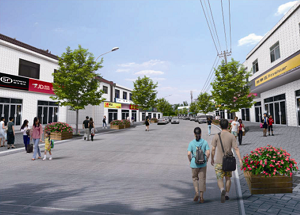
(2) Rural style presents coordination and characteristics. Through the renewal of unified color, material, and structural form, the overall coordination of building facades has been significantly improved. Accessory components such as door and window styles, awnings, and advertising signs have been standardized, and visual clutter has been completely eliminated. The implantation of Guanzhong traditional residential elements has made the village distinct in regional characteristics and significantly enhanced the recognition of architectural style. The height and scale of newly built and renovated houses have been developed in an orderly manner through planning control, and the building density and spacing have reached reasonable standards, avoiding disordered expansion.
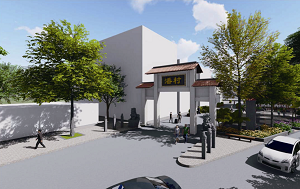
(3) Quality and efficiency improvement of green landscape and public space. The landmark landscape feature and green corridor at the village entrance have been completed and put into use, significantly enhancing the village’s recognition and sense of ritual. More than 80 flower boxes, more than 50 tree pits, and 6 small-scale recreation features have been added on both sides of the street, increasing the pleasantness and residents’ participation in public space by 40%. Characteristic landscape blocks such as theme squares, cultural walls, and regional characteristic art installations have been formed, becoming well-known “Internet-famous” check-in spots in the region. The village’s tourism attraction and image communication power have been significantly enhanced, and the annual tourist reception volume has increased by more than 2 times compared with that before the renewal.
(4) Dual improvement of infrastructure and community vitality. Public service facilities such as 2 street squares, 3 neighborhood public courtyards, and 2 children’s play areas have been fully implemented, providing residents with diversified shared leisure and communication spaces. More than 120 solar street lamps, 4 domestic waste sorting and treatment stations, and more than 10 km of underground transformation of weak current lines have been upgraded. The night lighting coverage rate has reached 100%, and the cleanliness of the living environment and space quality have been significantly improved. The proportion of villagers participating in planning decisions has reached 85%, the co-construction and sharing mechanism of public facilities has been formed, and community cohesion and governance efficiency have been improved simultaneously.

5.3 Synthesis and broader implications

Taken together, these four dimensions demonstrate that the renewal of Siqing Village has generated a comprehensive transformation encompassing both spatial conditions and everyday life. The improvements not only address visible environmental and infrastructural challenges, but also reconfigure the village’s spatial order, cultural expression, and patterns of public interaction. On this basis, the following three conclusions draw out the broader implications of the project. They distill the practical outcomes, theoretical significance, and wider replicability of Siqing Village’s experience, showing how localized spatial interventions can evolve into an integrated model of rural renewal that links space, culture, governance, and sustainable development.
(1) Practical-level implications. The multi-dimensional integrated renewal strategy is an effective path to solve the comprehensive problems of rural human settlement environment. The coordinated promotion of road traffic optimization, rural style shaping, green landscape improvement, and infrastructure improvement not only substantially improves the quality of the village’s physical environment, but also directly enhances residents’ quality of life and overall satisfaction. These improvements contribute to the accumulation of social capital and the strengthening of neighborhood cohesion within the village. At the same time, the improvement of the overall space image has significantly enhanced the village’s external attractiveness, laying a solid spatial foundation for the integrated development of multiple industries such as tourism, cultural and creative industries, and leisure agriculture (Liu and Zhang, 2024).
(2) Theoretical-level implications. From a theoretical perspective, the human settlement environment renewal of Siqing Village can be understood as a process of reconstructing rural placeness. Through cultural retrospection and spatial reconfiguration, the project responds to the widespread dilemma of rural “de-placing” associated with modernization and successfully achieves a relocalization of space. This process reconstructs emotional attachments and cultural identities connecting villagers to land, history, and community. Furthermore, the planning practice empirically demonstrates the value of holistic planning and participatory governance, confirming that rural human settlement renewal is not merely a physical transformation, but rather a co-evolutionary process encompassing spatial form, cultural meaning, social relations, and governance structures. At its core, this transformation represents a conceptual shift from “beautifying space” to “activating the community (Healey, 1997).”
(3) Implications for broader applicability. In terms of broader applicability, Siqing Village has articulated a sustainable rural development pathway characterized by strategic guidance from rural renewal policies, dual drivers of ecological values and regional culture, implementation through systematic renewal and targeted policy measures, and institutional support via co-construction and benefit-sharing mechanisms. This pathway not only foregrounds local characteristics and cultural depth, but also accommodates contemporary living standards and ecological performance. As such, it offers a replicable and transferable reference model for other villages in China seeking to address challenges of human settlement renewal and to achieve development goals that are both livable and conducive to local economic vitality. More broadly, it provides valuable insights for advancing the in-depth and regionally grounded implementation of rural renewal strategies at both regional and national scales (Table 2).
Table 2 Comparative analysis before and after renewal
Before renewal After renewal (Design rendering)

6 Conclusions

This study takes Siqing Village in Baqiao District of Xi’an as its research object and conducts a systematic analysis and in-depth discussion of human settlement environment improvement strategies for traditional peri-urban villages. The study finds that the village faces multiple issues in terms of human settlement including outdated infrastructure, ecological degradation, disrupted cultural transmission, and weak social governance. These problems not only impact residents’ quality of life but also hinder the sustainable advancement of rural renewal. Against this background, the study summarizes the following key human settlement improvement strategies within the context of rural renewal:
(1) Resilient infrastructure renewal: A demand-responsive approach to facility upgrading should be constructed, with priority given to resolving basic issues such as low rates of road hardening and unstable water and power supplies, while simultaneously establishing a “community-built and community-managed” maintenance mechanism.
(2) Ecology-industry coordinated governance: Drawing on China’s “three thorough, three guarantees” model— comprising the removal of illegal dumping, demolition of unauthorized structures, and systematic sanitation improvement—environmental management should be coordinated with broader industrial initiatives such as eco-agricultural tourism. This integration helps avoid the recurrent governance trap of short-term policy swings between overreaction and neglect. From an analytical standpoint, integrating environmental remediation with sustainable economic pathways ensures that governance measures are not merely reactive but embedded within long-term mechanisms capable of reinforcing ecological, social, and industrial resilience.
(3) Cultural capital transformation strategy: Employing a “cultural heritage plus spatial activation” model to strengthen local identity, the development of cultural squares, traditional craft workshops, and other culturally oriented public spaces can effectively reinvigorate rural social life. At the same time, it is essential to avoid top-down, government-driven processes that marginalize resident engagement. The establishment of digital supervision platforms can further support transparent management and collaborative governance. Linking cultural renewal with participatory spatial production underscores how collective agency and shared stewardship can transform cultural assets into sustained engines of rural vitality.
(4) Governance capacity enhancement mechanism: three-level linkage responsibility system responsibility system is recommended (subdistrict-level coordination—village committee execution—villager supervision), supplemented by an incentive mechanism such as a point-based system, to address the imbalance of responsibilities and authority in hierarchical administration.
Finally, this study demonstrates the effectiveness of multidimensional improvement strategies in enhancing the living environments of traditional peri-urban villages. These measures not only optimize physical space and strengthen infrastructure adaptability, but also promote ecological sustainability, reinforce social stability, and support the continuity and innovation of cultural traditions, thereby improving villagers’ overall well-being. The conclusions provide practical guidance for the environmental improvement of Siqing Village and offer a transferable reference for the sustainable development of other traditional peri-urban villages. Future research may further explore differentiated improvement models across village types by integrating smart village development, ecological-technological innovation, and more refined governance approaches, thereby contributing to the effective implementation of rural renewal strategies.
[1]
Čurović Ž, Čurović M, Spalević V, et al. 2019. Identification and evaluation of landscape as a precondition for planning renewal and development of Mediterranean rural settlements: Case study of Mrkovi Village, Bay of Kotor, Montenegro. Sustainability, 11(7): 2039. DOI: 10.3390/su11072039.

[2]
Giddens A. 1986. The constitution of society:Outline of the theory of structuration. Oakland, USA: University of California Press.

[3]
Guo S M, Zhao K Y, Jin J Y. 2018. Analysis of renewal strategies for the human settlement environment in traditional villages: A case study of Guishan Village, Hongze District, Huai’an City. Creative Design Source, 2018(5): 4-9. (in Chinese)

[4]
Healey P. 1997. Collaborative planning: Shaping places in fragmented societies. Basingstoke, UK: Macmillan. DOI: 10.1007/978-1-349-25538-2.

[5]
Lefebvre H. 1974. The production of space. Translated by Nicholson-Smith D. Hoboken, USA: Wiley-Blackwell.

[6]
Li B H, Li X, Wang S, et al. 2022a. Research on the transformation and development of traditional villages’ human settlement under the perspective of rural renewal. Journal of Natural Science of Hunan Normal University, 45(1): 1-10. (in Chinese)

[7]
Li B H, Liu X Y, Yang F D, et al. 2022b. The basic logic of organic renewal in traditional village living environments: An analytical framework. Progress in Geography, 41(12): 2356-2369. (in Chinese)

[8]
Li B H, Yang F D, Dou Y D. 2022c. Organic renewal of traditional village living environments: Theoretical understanding and practical pathways. Geographical Research, 41(5): 1407-1421. (in Chinese)

[9]
Lin W H. 2019. Research on protection and renewal strategies for hollow-type traditional villages in the suburbs of Guangzhou. Diss., Shenzhen, China: South China University of Technology. (in Chinese)

[10]
Liu N, Zhang H. 2024. A comparative study of traditional village renewal characteristics driven by different entities from the perspective of place-making. Buildings, 14(6): 1520. DOI: 10.3390/buildings14061520

[11]
Paraskevopoulou A T, Nektarios P A, Kotsiris G. 2019. Post-fire attitudes and perceptions of people towards the landscape character and development in the rural Peloponnese: A case study of the traditional village of Leontari, Arcadia, Greece. Journal of Environmental Management, 241: 567-574.

DOI PMID

[12]
Wen J G, Dai J Y. 2018. Study on the characteristic design of traditional village public spaces based on the theory of organic renewal: A case study of Digang Village, Hefu Town, Huzhou. Ecological Economy, 34(3): 230-236. (in Chinese)

[13]
Wu L Y. 2001. Introduction to the science of human settlements. Beijing, China: China Architecture & Building Press. (in Chinese)

Outlines

/