Ecosystem Assessment and Ecological Security

Integrating Ecosystem Quality and Ecosystem Services into Adaptive Monitoring and Assessing the Achievement of Ecological Protection and Restoration on the Qinghai-Tibet Plateau

  • ZHAO Guangshuai , 1 ,
  • YAN Mingcong 2 ,
  • LI Bin 1 ,
  • ZHANG Kun 1 ,
  • SHI Peili , 3, 4, * ,
  • TAO Jian 2 ,
  • CHEN Xueying 3, 4 ,
  • LIU Zhe 3, 4
Expand
  • 1. Development Research Center, National Forestry and Grassland Administration, Beijing 100714, China
  • 2. College of Public Administration, Shandong Technology and Business University, Yantai, Shandong 264005, China
  • 3. Key Laboratory of Ecosystem Network Observation and Modeling, Institute of Geographic Sciences and Natural Resources Research, Chinese Academy of Sciences, Beijing 100101, China
  • 4. University of Chinese Academy of sciences, Beijing 100049, China
* SHI Peili, E-mail:

ZHAO Guangshuai, E-mail:

Received date: 2025-01-06

  Accepted date: 2025-06-30

  Online published: 2025-10-14

Supported by

The National Key Research and Development Program of China(2023YFF1304304)

The Monitoring of Social and Economic Benefits of Key Forestry and Grassland Projects, Development Research Center, National Forestry and Grassland Administration(JYC-2022-0053)

Abstract

Based on a comprehensive review of the research progress in ecological protection and restoration both domestically and internationally, this paper summarizes the objectives and key focuses of the planning indicators and policy monitoring for ecological protection and restoration on the Qinghai-Tibet Plateau. The core objective is to establish an indicator system based on ecosystem quality and ecosystem services, monitor and assess the ecological, economic, and social benefits of implementing ecological protection and restoration policies, and then evaluate the harmonious development of “ecology-production-livelihood” nexus within the social-ecological system. Through a systematic literature review and frequency analysis, this study screens comprehensive benefit assessment indicators for ecological restoration and constructs a monitoring and evaluation system that includes four target layers: ecosystem pattern, ecosystem quality, ecosystem services, and social economic benefits. Subsequently, the paper elaborates on the implementation plan encompassing data acquisition, indicator calculation, and weight determination. In the concluding section, it delves into strategies for conducting adaptive monitoring of the social-ecological system in the context of ecological restoration and presents recommendations for the establishment and enhancement of a long-term monitoring mechanism for ecological protection and restoration monitoring mechanism.

Cite this article

ZHAO Guangshuai , YAN Mingcong , LI Bin , ZHANG Kun , SHI Peili , TAO Jian , CHEN Xueying , LIU Zhe . Integrating Ecosystem Quality and Ecosystem Services into Adaptive Monitoring and Assessing the Achievement of Ecological Protection and Restoration on the Qinghai-Tibet Plateau[J]. Journal of Resources and Ecology, 2025 , 16(5) : 1377 -1386 . DOI: 10.5814/j.issn.1674-764x.2025.05.011

1 Introduction

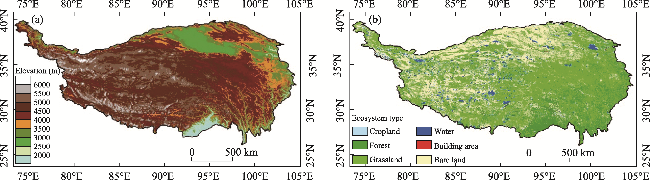
The Qinghai-Tibet Plateau, known as the “Roof of the World” and the “Water Tower of Asia”, boasts unique high-altitude ecosystems with diverse habitats, such as alpine meadows, wetlands, and glaciers (Figure 1). It serves as an important ecological security barrier for China, a strategic resource reserve base, and a treasure trove of alpine biological germplasm resources. This region is not only the source of major Asian rivers but also plays crucial ecological functions in regulating climate, conserving water resources, and maintaining biodiversity, making it indispensable for ecological security across Asia. It acts as an “ecological source” and “climate source” for maintaining climate stability in China and even the world. The ecosystems on the Qinghai-Tibet Plateau, under the harsh alpine environment, are relatively fragile and highly sensitive to the impacts of climate change and human activities. Under the unprecedented influence of global change, the structure, function, and population size and structure of important species in the plateau ecosystems have undergone profound changes. These changes are evident in grassland degradation, glacier retreat and melting, severe soil erosion, desertification, and a decline in biodiversity. In addition, mineral exploitation on the plateau has also left scars and caused damage to the ecosystems. These ecological and environmental problems severely affect the health of ecosystems, ecosystem services, and the role of the plateau's ecological security barrier, posing threats to downstream ecological security.
Figure 1 The distribution of the elevation and ecosystem types on the Qinghai-Tibet Plateau
The Chinese government has successively implemented a number of ecological protection and restoration policies and measures on the Qinghai-Tibet Plateau. For biodiversity protection, it has established the Hol Xil National Nature Reserve in Qinghai, the Changtang Nature Reserve, and the Three-River-Source National Park. For grassland ecological protection, grazing exclusion programs and grass-livestock balance systems have been enforced. In the realm of water source protection, initiatives such as water conservation forest construction, wetland protection and restoration projects has implemented. To strengthen ecological security, governments have implemented the Qinghai-Tibet Plateau Ecological Barrier Protection and Restoration Project and promulgated the Qinghai-Tibet Plateau Ecological Protection Law. Through the continuous implementation of systematic Ecological Barrier Construction Project and the Ecological Protection and Restoration Project , the ecological degradation trend on the Qinghai-Tibet Plateau has been initially curbed.
Ecological protection and restoration projects must adhere to the principles of overall protection, systematic restoration, and comprehensive management, while taking into account the synergistic effects of ecological, industrial, social, and economic factors. Especially with the global framework of ecosystem management transformation adaptation, coordinating ecological restoration with regional industrial development is essential to ensure the sustainability of both ecological construction and regional development. To this end, in addition to implementing major ecological projects for the protection and restoration of important ecosystems, it is also essential to establish a robust and effective monitoring and evaluation system, enhance the technical expertise and regulatory capacity of ecological protection and restoration, and promote the transformation of ecological protection and restoration work from ecological construction and key governance to the upgrade of ecological space and ecological function protection and restoration.
Ecosystem restoration typically prioritizes ecological goals; however, while ecological objectives are crucial for mobilizing political, social, and financial capital, they may fail to integrate the needs of social, economic, and ecological needs across scales, complicating the coordination of global and local goals. Ecological protection and restoration should be instead an inclusive socio-ecological process that integrates diverse values, practices, knowledge, and restoration goals of stakeholder groups across temporal and spatial scales (Tedesco et al., 2023). The monitoring and evaluation of ecological protection and restoration policies on the Qinghai-Tibet Plateau has evolved from point-scale to landscape-level assessments, and from single effectiveness to comprehensive benefit evaluations. Initially, assessments focused on ecological protection and restoration outcomes in specific areas or specific ecological types (Ding et al., 2010) with relatively one-dimensional criteria. For example, 3S technology, MODIS methods, spatial analysis, and time- series analysis methods were used to evaluate ecological environment vulnerability, sensitivity and ecological security (Shi, 2007; Xu, 2007; Xu, 2014) from various perspectives including climatic factors such as precipitation and temperature, hydrological factors such as runoff and sediment transport, ecological issues such as grassland degradation (Zhang et al., 2006), soil erosion and wetland shrinkage, and plant productivity (Liu and Zeng, 2019) in relation to ecological projects. This stage primarily established large-scale ecosystem service function assessment systems for specific ecosystems (Liu, 2009; Shao et al., 2013; Shao et al., 2016). Subsequently, evaluations shifted towards analyzing the coordinated development effects between ecological environment and socioeconomic outcomes, such as inter-regional ecological compensation systems, courtyard eco-economic models, and ecological construction projects (Cui, 2013). For example, the Kuznets curve and sustainable development theory were applied to assess the outcomes of the ecological protection and restoration and the synergistic relationship between ecological environment and economic development and their effects (Ge, 2008; Liu, 2009) achieved by grassland grazing exclusion and ecological compensation policies (Feng et al., 2019). Structural equation models were used to evaluate how projects and policies drive improvements in the livelihoods of farming and herding households (Han, 2016). In recent years, scholars have adopted systems theory to conduct holistic evaluations of ecological protection and restoration policies of integrated system governance of mountains, rivers, forests, fields, lakes, grasslands, and deserts (Wang et al., 2019a; 2019b; Wang et al., 2023). The studies establish comprehensive evaluation systems incorporating ecological, economical, and social indicators, systematically summarize experiences in ecological security barrier protection and construction (Sun et al., 2012), and propose optimized management measures for the current ecological policies on the plateau (Wang et al., 2024).
Today's ecological protection and restoration plans are no longer merely simple restoration projects and activities per se, they interact dynamically with ecological and social factors. On one hand, most ecological restoration plans aim not only to restore the structure and function of ecosystems but also to improve human well-being. Social objectives, such as poverty reduction are increasingly being integrated into ecological restoration agendas. On the other hand, the sustainability of ecological restoration efforts relies on enforcement through social pathways. The ability to balance stakeholders’ interests and create new employment opportunities for communities engaged in these activities will fundamentally determine the long-term sustainability of ecological outcomes and benefits.
To this end, socio-ecological adaptive monitoring is essential for providing reliable information and policy support for the adaptive management of the system (Qiu et al., 2022). Given that ecosystem restoration should be viewed as a continuous process rather than a one-time activity, applying a logical framework approach can help map the logical sequence of restoration planning. Logical models set adaptive pathways to measure the causes, impacts, and outcomes of system changes. Monitoring historical ecosystem management provides insights and updates for informing future environmental management decisions. However, many monitoring and evaluation processes remained flawed or inadequate. There is often an overemphasis on biological or biophysical indicators (Brierley et al., 2010) without understanding how interventions influence these metrics, coupled with insufficient attention to socio-economic dimensions (Waylen and Blackstock, 2017; Waylen et al., 2019). This gap has driven the emergence of adaptive monitoring—a cyclical process including iterative steps of conceptual model development, problem framing, experimental design, data collection and analysis, and data interpretation (Lindenmayer and Likens, 2010). While the monitoring and evaluation process may evolve in response to new challenges, information, contexts, or stakeholder agreements, it must preserve the integrity and consistency of data records (Likens and Lindenmayer, 2018).
To address the shortcomings of previous indicator systems for ecological project evaluation in key ecological zones of the Qinghai-Tibet Plateau, such as the lack of systematic and holistic understanding of the governance of the mountain-water-forest-field-lake-grassland life community, inconsistent spatial scales, and non-uniform assessment methods and indicator systems, this study aims to comprehensively enhance the stability and service functions of the plateau's natural ecosystems while focusing on resolving key regional ecological environmental challenges. Guided by the needs, issues, and objectives of national dual-carbon planning and the 14th Fiver-Year Plan Outline for Forestry and Grassland Development, a comprehensive monitoring and evaluation indicator system has been developed (National Forestry and Grassland Administration, 2021 . This system covers regional ecosystem macro-structure, ecological quality, and ecological-socioeconomic benefits to systematically reflect the ecological, economic, and social outcomes of ecological protection and restoration projects. It provides scientific and technological support for systematically coordinating the spatial pattern and construction effectiveness evaluation of the governance of the mountain-water-forest-field-lake-grassland-sand system, and facilitating the comprehensive construction of the Qinghai-Tibet Plateau's ecological security barrier and the construction of an ecological civilization highland.

2 General idea of monitoring and evaluation

2.1 Assessment objectives

At present, the ecological protection and restoration project is facing the contradiction between the national-level ecological protection imperatives and local community economic development. The livelihoods and economic incomes of residents in project-implementation area have emerged as the primary challenge in advancing these initiatives. While previous studies mainly focused on the macro-ecological benefits of ecological engineering, less attention has been paid to local socio-economic impacts. To address this, it is essential to conceptualize human-centered ecological protection as a social-ecological system, develop a comprehensive indicator system of ecological, economic and social benefits, and conduct scientific evaluations of these composite outcomes (Ma and Wang, 1984). This approach can help identify the equilibrium point between national ecological protection goal and local residents’ economic development needs, thereby facilitating resolution of this contradiction.
Aiming to address the prominent ecological environmental challenges in the Qinghai-Tibet Plateau, this study takes ecosystem quality and ecosystem services as its core focus, establishes an indicator system with the planning objectives of the Qinghai-Tibet Plateau during the 14th Five-Year Plan and the ecological, economic and social benefits generated by ecological protection and restoration policies as the main framework. This system monitors the current status and changing trends of the overall ecosystem protection, restoration and comprehensive governance, while evaluating the coordinated development of ecology, production and livelihoods within social-ecological systems (Fan, 2020).

2.2 Evaluation orientation

(1) Balancing ecological and economic impacts through adaptive monitoring.
The improvement of ecosystem quality stands as the core objective of ecological protection and restoration, with effectiveness evaluation as a critical tool for assessing the degree of goal attainment and supervising the process of ecological protection and restoration. Strengthening the application of evaluation outcomes is essential to sustain the efficacy of ecological protection and restoration initiatives. A robust monitoring and evaluation indicator system should encompass ecosystem health, biodiversity, ecological service function, ecological and economic benefits and social participation, among other dimensions. In terms of benefits, equal emphasis must be placed on both ecological and economic outcomes, with adaptive monitoring and evaluation conducted within the framework of social-ecological system (Hou et al., 2011). Adaptive monitoring involves adjusting monitoring indicators in response to new challenges, needs and objectives arising during ecological protection and restoration, while comprehensively assessing ecological, economic and social impacts (Holling, 1978). For socioeconomic benefits, evaluation should focus on changes in economic income and livelihood within the project implementation area (Ge, 2008). Regarding ecological benefits, attention must be paid to the high-quality ecological products generated by ecosystem services. Realizing the value of these ecological products through ecological compensation can ensure that the stakeholders engaged in ecological protection and restoration derive tangible benefits, and thereby achieve the goal of sustainable development.
(2) Integrating macro-assessment with on-site monitoring
Ecological protection and restoration projects aim to coordinate diverse factors to integrate management across broader spatial scales, addressing distinct challenges at three hierarchical levels: region (or watershed), ecosystem and site. In response to project implementation, it is essential to monitor the effectiveness of ecological protection and restoration at both regions and site scales, develop multiscale indicator system for comprehensive evaluation of ecological, social and economic benefits, and use on-the- ground monitoring at ecosystem and site levels to validate macro-scale assessments of regional changes (Sun et al., 2023).

3 Development of monitoring and evaluation indicator system

3.1 Principles of indicator system development

(1) Principle of scientificity and representativeness. Guided by fundamental ecological principles, this framework fully integrates the regional characteristics of the Qinghai-Tibet Plateau and the attributes of major ecological protection and restoration projects. It emphasizes the selection of suitable and representative indicators with clear scientific connotation, capable of reflecting changes in the structure, function and quality of the ecosystem while ensuring the scientificity and objectivity of evaluation. Evaluation indicators must not only accurately measure project effectiveness, but also align with the current national policies.
(2) Principle of integration and hierarchy. The principle emphasizes the integration of monitoring and evaluation indicators in line with the decomposition requirements of the target layer and indicator layer (Yu et al., 2023). Evaluation indicators are selected by incorporating the progressive hierarchical relationship of ecosystem structure, quality and service within the indicator categories, enabling step by step construction of indicators.
(3) Principle of comprehensiveness and typicality. This principle entails selecting evaluation indicators for ecological, social and economic benefits in a targeted manner, based on the categories and specificities of major conservation and restoration projects on the Qinghai-Tibet Plateau. It integrates the common characteristics of ecological restoration projects with the individual differences of distinct ecosystems to enable comprehensive assessment of the holistic impacts of conservation and restoration projects.
(4) The principle of accessibility and operability. This principle requires that selected indicators be easily obtainable and cost-effective, prioritizing high-efficiency, low-cost evaluation metrics. Considering the unique characteristics of major protection and restoration projects on the Qinghai-Tibet Plateau, the data associated with the selected evaluation indicators must satisfy the criteria of easy acquisition and calculation. Such data should be readily accessible from remote sensing, on-site monitoring, statistical data and government documents, ensuring high accuracy and reliability while maintaining simplicity in calculation.

3.2 Methodology for selecting relevant indicators

Relevant indicators for vegetation macro-structure (Liu et al., 2009; Shao et al., 2017a), ecosystem quality, ecosystem services and benefits (Fu et al., 2021; Shao et al., 2016, 2017b; Hu et al., 2022) are identified through a combination of literature review frequency analysis, relevant technical specifications and expert consultation. First, we analyze the application frequency of practical indicators in the literature, standards and guidelines related to ecological construction, ecological protection and restoration, nature reserves, important ecological functional zones. Based on the aforementioned principles for indicator screening, high-frequency indicators suitable for evaluating the effectiveness of ecological protection and restoration are selected. Second, the selection of monitoring and assessment indicators incorporate considerations of the representativeness, typicality, continuity, operability and comparability for the major ecological projects. On this basis, ten relevant experts were consulted to screen and adjust the indicators, culminating in the finalization of the indicator system for assessing the effectiveness of ecological protection and restoration on the Qinghai-Tibet Plateau.
The indicator system is developed following the logical framework of ‘ecological restoration-ecosystem structure- quality-services-benefits’ (Shao et al., 2017a). It is divided into three hierarchical levels: Target level, thematic indicators and specific indicators, with the first-level indicators encompassing four dimensions: Ecosystem macro-structure, ecosystem quality, ecosystem services (including socio-economic benefits) and ecosystem change. For the secondary indicators, ecosystem structure and quality mainly consider the changes in vegetation, soil, species diversity and landscape patterns, along with shifts in resource quantity, quality and area. Ecosystem services cover regulating and supporting functions, mainly including water conservation, soil retention, water supply, carbon sequestration and biodiversity maintenance. Socio-economic benefits include the benefits derived from ecosystem provisioning services and cultural services. Tertiary indicators are selected based on data availability, representativeness and comparability across ecological projects, while accounting for the unique ecological challenges of different regions and the characteristics of the implemented key ecological projects. This ensures the inclusion of indicators that reflect project-specific attributes.
The data for each indicator are collected through a combination of ground observation, remote sensing interpretation and inversion techniques. Ecosystem service and ecological benefit indicators are mainly obtained through ground station monitoring and literature compilation, with results derived through calculation (Liu et al., 2009; Shao et al., 2017a). For specific indicators, such as changes in ecosystem macrostructure, quality and pattern, data are acquired through resource census, remote sensing interpretation and inversion, with indicators result generated via specialized model calculations (Fu et al., 2017). Biodiversity is assessed at the sample site level in terms of species richness, changes in rare and endangered species, endemics and indicator species. Cultural services are measured using indicators of recreation, cultural heritage and cultural diversity (Shao et al., 2010; Chen et al., 2023).

3.3 Indicator system for monitoring and evaluating the comprehensive effectiveness of ecological protection and restoration

According to the major ecological challenges and planning objectives of the ecological protection and restoration projects, a comprehensive evaluation indicator system for ecological restoration effectiveness has been developed following the principles of goal-orientation and problem-orientation, guided by the conceptual framework of ‘ecosystem structure-quality- service-benefit’. The system consists of three levels of common indicators. The first level contains four overarching dimensions: ecosystem patterns, ecosystem quality, ecosystem services and socio-economic benefits. These dimensions reflect the changes in the structure and quality of ecosystems in the process of ecological protection and restoration through various technical measures, such as natural restoration, assisted regeneration and ecological reconstruction, thus affecting the level of ecosystem service provision, and focusing on the socio-ecological system's socio-economic benefits in addition to the ecological benefits. Second-level contains seven types of criteria layers, and the third-level includes 23 specific indicators (Table 1). The table also outlines the definition and weights of the indicators across the three hierarchical levels.
Table 1 Indicator system for monitoring the effectiveness of ecological protection and restoration on the Qinghai-Tibet Plateau
First level
indicators
Second level
indicators
Third level indicators Interpretation of the third level indicators
serial number name (of a thing)
Ecosystem pattern
(0.15)*
Macrostructure
of ecosystems
(0.15)
A1 Change in ecosystem type (0.05) Changes in area of ecosystem classification
A2 Change in land type (0.05) Land-type transition changes in forests, scrub, grasslands, deserts, wetlands, agricultural lands and bare lands
A3 Changes in landscape patterns (0.05) Including changes in habitat richness, evenness, landscape fragmentation and diversity
Ecosystem quality
(0.25)
Vegetation
(0.15)
A4 Vegetation cover (0.02) NDVI, vegetation cover (Fc) change
A5 Net primary productivity of vegetation (0.05) Changes in net primary productivity (NPP) of vegetation
A6 Leaf area index (0.03) Leaf area of vegetation per unit area
A7 Biodiversity (0.05) Species richness, number of native species, changes in key protected species and harmful species, and changes in native functional group establishment
Soil
(0.10)
A8 Soil nutrients (0.05) Soil organic matter, total nitrogen, phosphorus and potassium content
A9 Soil moisture (0.05) Soil water holding capacity
Ecosystem services
(0.35)
Supply function
(0.15)
A10 Forest, grass and livestock products (0.10) Annual production of forest, grass and livestock products
A11 Forest and pasture production (0.03) Forest stock, pasture production, livestock production
A12 Proportion of edible pasture (0.02) Proportion of total biomass of edible pasture in grasslands
Adjustment function
(0.20)
A13 Soil conservation (0.04) Reduced soil erosion by ecosystems (difference between potential soil erosion and actual erosion)
A14 Water conservation (0.04) Increase in total water resources by ecosystems through interception and storage of precipitation, soil moisture, regulation of surface runoff and groundwater recharge
A15 Carbon sequestration (0.04) Vegetation and soil carbon sequestration, net ecosystem productivity
A16 Wind and sand stabilization (0.04) Amount of wind erosion through ecosystems reduced by high winds leading to soil erosion and sand hazards
A17 Biodiversity maintenance (0.04) Species richness, number of rare and endangered species
Socio-economic benefits
(0.25)
Economic
benefits
(0.15)
A18 Income from forest and grass economic products (0.05) Income from forest economy, pasture production, etc.
A19 Income from forest and grass processing (0.05) Income from forest and grass processing industry
A20 Ecotourism (0.05) Revenue from forest recreation, forest/grassland ecotourism
Social benefits
(0.10)
A21 Labor and employment (0.04) Ecological care (ranger, grassland management) personnel
A22 Ecological compensation (0.03) Ecological compensation for public forests, grassland subsidies
A23 Means of livelihoods (0.03) Changes in livelihoods

Note: * Numbers in parentheses are the weights of the indicator system at each level.

4 Indicator system data acquisition and quantification method

4.1 Acquisition of indicator system data

The data of each indicator is primarily obtained through a combination of ground observations, remote sensing interpretation, and inversion. As shown in Table 1, the data of specific indicators such as biodiversity (including species richness, changes in community species composition, changes in protected species and harmful species, etc.), soil indicators (soil nutrients, moisture), forage yield and grass-livestock balance, and runoff are measured through ground observations, local statistical data, and calculations. For the indicators like the macroscopic structure of the ecosystem, vegetation coverage, land use/cover change, water conservation capacity, and soil erosion modulus, data are acquired via remote sensing interpretation and inversion, and model calculations. Leaf area index and vegetation productivity are determined through field-scale plot surveys to validate remote sensing interpretation results on the ground. Additionally, the calculation results from some indicators serves as data sources for other indicator models or accuracy verification. For example, precipitation, temperature, and land use data are essential for calculating water conservation services, while runoff data from hydrological stations are used to validate the accuracy of model outputs.

4.2 Calculation of indicators

The calculation methods for each indicator in the system draw on national standards, industry standards, national ecological environment standards, and select local standards or technical specifications/guidance documents.
The calculation method of ecosystem services follows the “Technical Specification for National Ecological Status Survey and Assessment-Ecosystem Service Function Assessment (HJ1173-2021) formulated by the Ministry of Ecology and Environment. Specific approach includes:
(1) Water conservation capacity calculated by the water balance equation, which quantifies the total water resources retained by the ecosystem through processes such as precipitation interception and storage, enhanced soil infiltration and water retention, regulation of surface runoff, and groundwater recharge.
(2) Soil conservation capacity estimated via the Revised Universal Soil Loss Equation (RUSLE), incorporating local vegetation, cover, soil properties, topographic factors and annual precipitation data.
(3) Windbreak and sand fixation capacity evaluated using the Revised Wind Erosion Equation (RWEQ), defined as the difference between potential- and actual-wind erosion amount.
(4) Change rate of ecosystem services derived from the per-unit-time variation in service magnitudes, while carbon sequestration capacity is calculated as the difference of the ecosystem carbon pool over a specific time interval.

4.3 Weight determination

Due to the multiplicity of indicators across ecosystem quality, ecosystem services, and social and economic benefits, weights are required to reflect each indicator's importance in the comprehensive evaluation. Using the indicator scoring rules and evaluation grading standards, we calculate each indicator's values, grade the results, and then conduct a comprehensive assessment of the effectiveness and benefits of the ecological protection and restoration project. Indicator weights are determined by using expert scoring method, the analytic hierarchy process (AHP), or entropy method. In this study, we apply AHP to assign the weights for the first-, second-, and third-level indicators sequentially. 20 experts are invited for consultations to validate the determined indicator weights. After calculating hierarchical weights vial AHP, qualitative indicators’ weights are refined based on expert feedback to scientifically evaluate the differential contributions indicators in the protection and restoration project.

5 Discussion

As a critical ecological security barrier in China's “Three Zones and Four Belts” framework, ecological degradation on the Qinghai-Tibet Plateau has attracted much attention. Chinese government has successively launched ecological barrier construction initiatives and ecological protection and restoration projects, with the trend of ecological degradation being preliminarily curbed. However, in the current construction of the plateau ecological security barrier, advancing ecological protection and restoration, building a highland of ecological civilization, and promoting the construction of a beautiful China, various departments and scientific research institutions employ divergent effectiveness evaluation indicator systems and priorities for these ecological undertakings. This divergence creates challenges in conducting systematic and dynamic evaluations of the effectiveness of the above-mentioned projects. It also hinders the objective reflection of the outcomes and existing issues in protection and restoration efforts, while limiting the ability to provide objective evaluations and decision-making foundations for the implementation effectiveness of various laws, regulations, plans, policies, and the decision-making of government departments. At present, the ecological protection and restoration supervision mechanism and evaluation technical system remain incomplete, which is not conducive to the effective supervision of ecological protection and restoration and the further enhancement of ecological restoration efforts.
In the monitoring and evaluation of the effectiveness of ecological protection and restoration, indicator design serves as the core task, as it provides an effective evaluation framework for tracking the implementation of major restoration and protection projects and policies in key regions. Indicator design should adhere to principle of simplicity, intelligibility and operational feasibility, while gaining recognition from both the academic community and relevant government departments. The concept of “mountains-rivers-forests-farmlands-lakes-grasslands-deserts life community” serves as the fundamental guiding principle for constructing the indicator system and conduct effectiveness evaluations. It is essential to integrate plot-scale monitoring with regional remote sensing, leveraging space-air-ground communication, navigation, and remote sensing technologies to establish a locally adaptive monitoring system and methodologies grounded multi-source remote sensing data (Chen et al., 2019). This approach enables the effective reflection of improvements in ecosystem quality and stability, as well as the continuous enhancement of ecological environment quality. Beyond ecological benefits, the indicator system must incorporate inclusive socio-economic indicators to systematically monitor the comprehensive benefits and long-term impacts of the social-ecological systems, laying the foundation for tracking and analyzing project sustainability and cost-effectiveness. Through the dynamic monitoring of the indicator system, quantitative assessment of net gain changes before and after ecological protection and restoration can be achieved, reflecting the “net benefit” of such initiatives. This progress provides a decision-making basis for screening the most cost-effective protection and restoration models.
By establishing an adaptive monitoring and evaluation system for the effectiveness of ecological protection and restoration on the Qinghai-Tibet Plateau, this framework can not only provide a scientific basis for determining ecological compensation standards and grassland grazing exclusion subsidies, thereby promoting the fair and effective implementation of ecological compensation mechanism (Guo, 2022), and effectively enhancing socio-economic benefits, but also comprehensively assess the implementation effectiveness of policies such as grassland grazing exclusion and ecological compensation. This provides foundational data support for the subsequent optimization and adjustment of these policies. Consequently, it also provides corresponding evaluation criteria for formulating and revising of ecological protection plans and regional development plans specific to the Qinghai-Tibet Plateau. The system primarily focuses on three dimensions: the quality of ecosystems following the implementation of ecological protection and restoration measures, the ecosystem services provided by the protected and restored areas, and the indirect socioeconomic benefits generated through “Two Mountains” (i.e. lucid waters and lush mountains are invaluable assets) theory. However, there is room for improvement in this evaluation indicator system, such as developing region-specific refined indicators tailored to the ecological characteristics of different regions on the plateau; creating ecosystem-specialized indicators for specific ecosystems; incorporating dynamic change indicators into process-oriented dynamic evaluations to track temporal trends, and strengthening alignment with international SDG metrics to enhance comparability and policy coherence (Song and Yuan, 2006).

6 Conclusions

Adopting the “ecological restoration-ecosystem structure- quality-services-benefits” cascading framework and considering the indicator characteristics of each major ecological project, this study employs methodologies such as bibliometric analysis, frequency analysis, and expert consultation to collect and screen comprehensive benefit assessment indicators for major ecological restoration projects on the Qinghai-Tibet Plateau. It further constructs a regional ecological protection and restoration monitoring and evaluation indicator system. This research integrates multi-source data and multi-dimensional evaluation schemes, combining remote sensing technology with field observation to establish ecological baseline for assessing the benefits and effectiveness of major ecological protection and restoration projects, providing decision support for the governance and evaluation of socio-ecological systems.
To ensure long-term effective monitoring of ecological protection and restoration, the following strategic measures are proposed. First, cooperation between government and scientific research departments should be strengthened to establish a unified monitoring framework, formulate monitoring plans and related regulations, and develop supporting systems and policies for ecological protection and restoration monitoring networks. Second, the monitoring tasks and responsibilities of various agencies should be clearly defined to ensure clear authority-responsibility boundaries, strong resource guarantees, and comprehensive geographic coverage. Third, establish an efficient and smooth departmental cooperation and coordination mechanism, conduct unified planning of the monitoring network for collaborative monitoring operations, and interconnect and share monitoring data. Finally, a talent team should be cultivated to enhance the management capabilities of administrative departments and the technical monitoring proficiency of frontline monitoring teams in data acquisition, analysis and adaptive management.
[1]
Brierley G, Reid H, Fryirs K, et al. 2010. What are we monitoring and why? Using geomorphic principles to frame eco-hydrological assessments of river condition. Science of the Total Environment, 408(9): 2025-2033.

[2]
Chen M Q, Shao Q Q, Ning J, et al. 2023. Analysis of ecological restoration in different eco-geographical regions of the Qinghai-Tibet Plateau. Grassland Science, 31(4): 1211-1225. (in Chinese)

[3]
Chen Y P, Ren J, Wang L. 2019. Review of monitoring methods for ecological protection and restoration project areas based on multi-source remote sensing data. Acta Ecologica Sinica, 39(23): 8789-8797. (in Chinese)

[4]
Cui W F. 2013. The developments and benefits evaluation of courtyard Ecological economy model in the Three Rivers Source Region. Diss., Yanglin, China: Northwest A&F University, (in Chinese)

[5]
Ding J S, Lin J X, Gu N K, et al. 2010. Research on reservoir wetlands and aquatic ecosystem protection in the Qinghai Plateau. Journal of Hydroecology, 31(2): 9-16. (in Chinese)

[6]
Fan D. 2020. Evaluation of the implementation effect of the Three-River Source Ecological Protection Phase II Project from the perspective of grassland's “three-life functions”. Diss., Lanzhou, China: Lanzhou University, (in Chinese)

[7]
Feng Y F, Li M, Li S W, et al. 2019. Evaluation of the restoration effects of grazing prohibition on degraded alpine grasslands in northern Tibet from 2010 to 2017. Pratacultural Science, 36(4): 1148-1162, 921. (in Chinese)

[8]
Fu B J, Ouyang Z Y, Shi P, et al. 2021. Ecological security barrier status and protection strategies on the Qinghai-Tibet Plateau. Bulletin of the Chinese Academy of Sciences, 36(11): 1298-1306. (in Chinese)

[9]
Fu B J, Yu D D, N. 2017. Index system for biodiversity and ecosystem services assessment in China. Acta Ecologica Sinica, 37(2): 341-348. (in Chinese)

[10]
Ge K C. 2008. Research on coordinated development of ecological environment and economy in western China. Diss., Chongqin, China: Southwest University of Finance and Economics, (in Chinese)

[11]
Guo J. 2022. Performance evaluation of the Qinghai grassland ecological protection subsidy and reward policy based on a fuzzy evaluation model. Qinghai Grass Industry, 31(2): 35-42. (in Chinese)

[12]
Han F. 2016. Research on the impact of grassland ecological protection on the lives of herdsmen. Diss., Beijing, China: Chinese Academy of Agricultural Sciences, (in Chinese)

[13]
Holling C S. 1978. Adaptive environmental assessment and management. Hoboken, USA: John Wiley & Sons.

[14]
Hou X Y, Yin Y T, Ding Y. 2011. Research status and prospects of adaptive management of grasslands in China. Journal of Grassland Research, 20(2): 262-269. (in Chinese)

[15]
Hu Y F, Wang H, Jiao L, et al. 2022. Comprehensive benefit assessment indicator system for major construction projects on the Qinghai-Tibet Plateau. Acta Ecologica Sinica, 42(18): 7565-7576. (in Chinese)

[16]
Likens G, Lindenmayer D. 2018. Effective ecological monitoring. Collingwood, Australia: CSIRO Publishing.

[17]
Lindenmayer D B, Likens G E. 2010. The science and application of ecological monitoring. Biological Conservation, 143(6): 1317-1328.

[18]
Liu F, Zeng Y N. 2019. Spatiotemporal pattern changes of vegetation NPP and the influence of climatic and human factors on the Qinghai Plateau over the past 16 years. Acta Ecologica Sinica, 39(5): 1528-1540. (in Chinese)

[19]
Liu J Y, Shao Q Q, Fan J W. 2009. Comprehensive assessment indicator system for grassland ecosystems in the Three-River Source Region. Geographical Research, 28(2): 273-283. (in Chinese)

[20]
Liu T D. 2009. Research on sustainable development in the Qinghai-Tibet Plateau region. Diss., Tianjin, China: Tianjin University, (in Chinese)

[21]
Ma S J, Wang R S. 1984. Society-economy-nature complex ecosystem. Acta Ecologica Sinica, 4(1): 1-9. (in Chinese)

[22]
Qiu S, Peng J, Zheng H, et al. 2022. How can massive ecological restoration programs interplay with social-ecological systems? A review of research in the South China karst region. Science of the Total Environment, 807: 150723. DOI: 10.1016/j.scitotenv.2021.150723.

[23]
Shao Q Q, Fan J W, Liu J Y, et al. 2016. Ecological effectiveness assessment of the first-phase project of the Three-River Source Ecological Protection and Construction. Acta Geographica Sinica, 71(1): 3-20. (in Chinese)

[24]
Shao Q Q, Fan J W, Liu J Y, et al. 2017a. Ecological effectiveness assessment and policy recommendations for the first-phase project of the Three-River Source Ecological Protection and Construction. Bulletin of the Chinese Academy of Sciences, 32(1): 35-44. (in Chinese)

[25]
Shao Q Q, Fan J W, Liu J Y, et al. 2017b. Research on the monitoring and assessment of ecological benefits of major ecological projects. Advances in Earth Science, 32(11): 1174-1182. (in Chinese)

[26]
Shao Q Q, Liu J Y, Huang L, et al. 2013. Comprehensive assessment of ecological effectiveness of the Three Rivers Source Nature Reserve Ecological Protection and Construction Project from 2005-2009. Geographical Research, 32(9): 1645-1656. (in Chinese)

[27]
Shao Q Q, Zhao Z P, Liu J Y, et al. 2010. Characteristics of land cover and macro-ecological changes in the Three-River Source region over the past 30 years. Geographical Research, 29(8): 1439-1451. (in Chinese)

[28]
Shi J L. 2007. Research on environmental regional differentiation patterns and ecological function zoning in the source regions of major rivers Diss., Yanglin, China: Northwest A&F University. (in Chinese)

[29]
Song J F, Yuan R H. 2006. Construction of a policy evaluation indicator system. Statistics and Decision, (22): 63-64. (in Chinese)

[30]
Sun F, Xiao W P, Yao J T. 2023. Comprehensive evaluation of ecological benefits of ecological protection and restoration projects. Environmental Education, (5): 58-61. (in Chinese)

[31]
Sun H L, Zheng D, Yao T D, et al. 2012. Ecological protection and construction of the national ecological security barrier in Qinghai-Tibet. Acta Geographica Sinica, 67(1): 3-12. (in Chinese)

[32]
Tedesco A M, López-Cubillos S, Chazdon R, et al. 2023. Beyond ecology: Ecosystem restoration as a process for social-ecological transformation. Trends in Ecology & Evolution, 38(7): 643-653.

[33]
Wang J, Fu B J, Zhang X, et al. 2024. Nature-based integrated ecological protection, restoration and optimized management of the Qinghai-Tibet Plateau. Bulletin of Chinese Academy of Sciences, 39(7): 1123-1130. (in Chinese)

[34]
Wang Q Y, Zhou D Y, An P L, et al. 2023. The impact of natural protected area policies on regional ecological environmental quality—A case study of the Three-River Source region. Chinese Journal of Applied Ecology, 34(5): 1349-1359. (in Chinese)

[35]
Wang Z B, Li J X, Guo Y Q, et al. 2019a. Ecological protection and restoration model of mountains, rivers, forests, farmlands, lakes, and grasslands on the Qinghai-Tibet Plateau—A case study of the Lhasa River Basin. Acta Ecologica Sinica, 39(23): 8966-8974. (in Chinese)

[36]
Wang Z Z, Wang H, Feng X M, et al. 2019b. Comprehensive benefit assessment indicator system for ecological restoration in key vulnerable ecological areas. Acta Ecologica Sinica, 39(20): 7356-7366. (in Chinese)

[37]
Waylen K A, Blackstock K L. 2017. Monitoring for Adaptive management or modernity: Lessons from recent initiatives for holistic environmental management. Environmental Policy and Governance, 27(4): 311-324.

[38]
Waylen K A, Blackstock K L, Van Hulst F J, et al. 2019. Policy-driven monitoring and evaluation: Does it support adaptive management of socio-ecological systems? Science of the Total Environment, 662: 373-384.

DOI

[39]
Xu X L. 2007. Research on ecological vulnerability changes and economic-ecological interactive development models in the Three Rivers Source Region. Diss., Xi’an, China: Shaanxi Normal University, (in Chinese)

[40]
Xu Y. 2014. Remote sensing monitoring and ecological security assessment of northern Tibet grassland degradation. Diss., Chengdu, China: Chengdu University of Technology, (in Chinese)

[41]
Yu G R, Hao T X, Yang M. 2023. Principles of ecosystem and several academic issues in regional ecological restoration and environmental governance in China. Chinese Journal of Applied Ecology, 34(2): 289-304. (in Chinese)

[42]
Zhang Y L, Liu L S, Bai W Q, et al. 2006. Spatial characteristics of grassland degradation in the Yellow River Source Region. Acta Geographica Sinica, 61(1): 3-14. (in Chinese)

Outlines

/